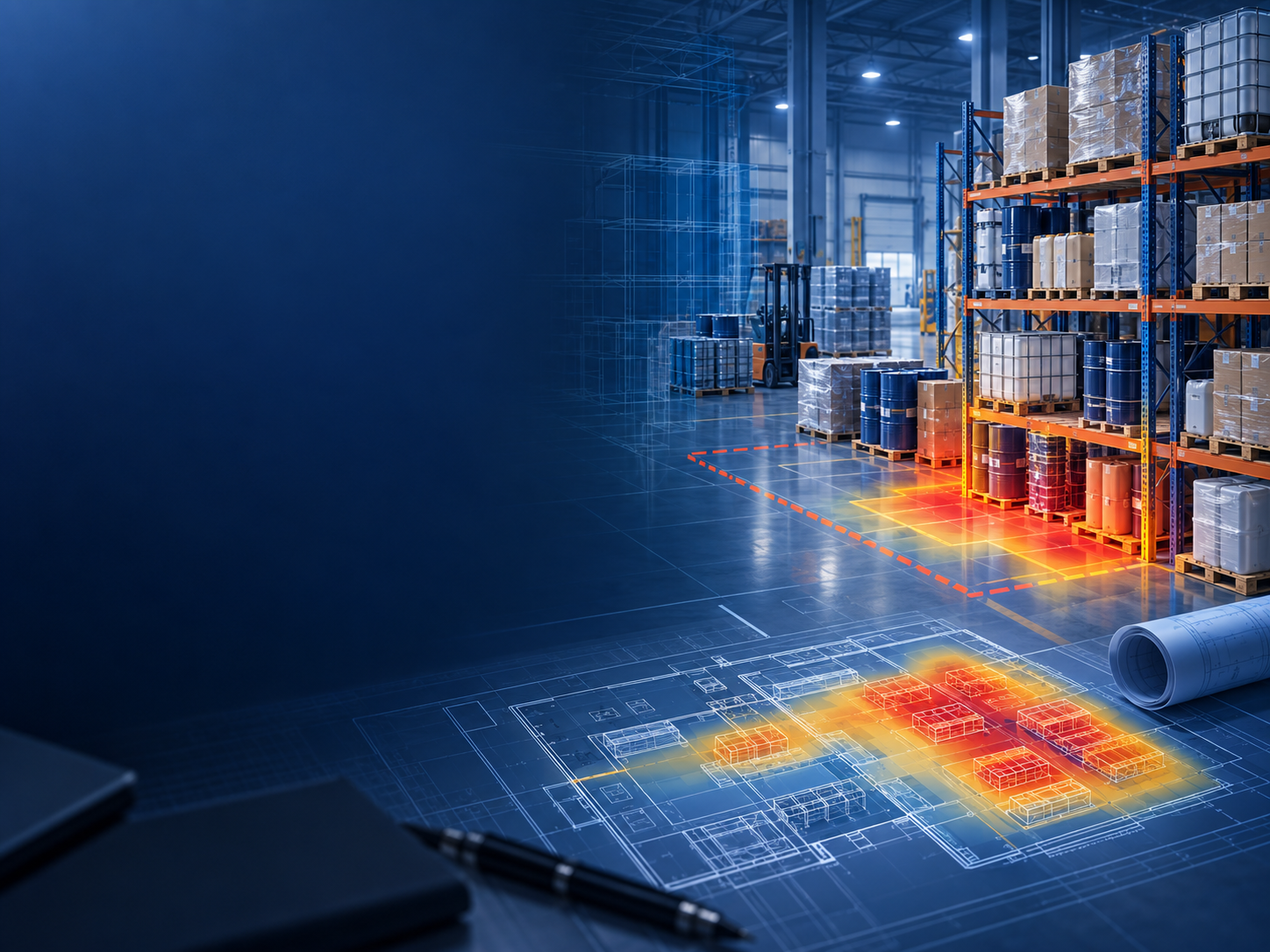
Fire Hazards Analysis
Evaluation of fire hazards, consequences, protection features, credited controls, and programmatic measures.
- Fire areas and barriers
- Detection and suppression
- Hazardous materials
- Emergency response
FIRE PROTECTION & LIFE SAFETY
Fire protection engineering, hazard analysis, system review, modeling, program support, and high-hazard technical expertise for nuclear, federal, industrial, energy, and critical-infrastructure environments.
INTEGRATED FIRE PROTECTION ENGINEERING
ETS approaches fire protection as an integrated engineering discipline. We evaluate the hazard, understand the facility and mission, identify the governing requirements, assess protection features and credited controls, and develop practical solutions that can be implemented and sustained.
Our experience spans nuclear and high-hazard facilities, laboratories, oil and gas, gas plants, refineries, pipelines, storage tanks, utilities, hydropower, data centers, battery energy storage, federal and military facilities, and other critical infrastructure.
WHAT DO YOU NEED?
Select a capability to understand the scope. Each can stand alone or be integrated into a broader technical review or project.
Evaluation of fire hazards, consequences, protection features, credited controls, and programmatic measures.
Review of applicable fire protection codes, standards, directives, and project criteria.
Design support, technical review, analysis, verification, and certification support.
Risk-informed evaluation of likelihood, consequences, vulnerabilities, and protection strategies.
Formal evaluation of systems, programs, compliance, and implementation through review and field verification.
Engineering analysis of fire growth, smoke movement, tenability, response, and performance-based scenarios.
Development and improvement of facility fire protection programs aligned to hazards and mission needs.
Technical support for system reliability, acceptance, impairment, testing, and maintenance.
Evaluation of combustible loading and fire severity to support limits, controls, and protection strategies.
Fire and process-hazard support for fuels, gases, liquids, tanks, and industrial operations.
Evaluation of occupant protection, egress, emergency lighting, signage, and evacuation strategies.
Fire protection support as facility hazards, configurations, systems, and controls evolve through decommissioning.
Design, review, calculations, layouts, markups, and design-document support.
Evaluation of combustible dust hazards, ignition sources, explosion potential, and facility controls.
Specialized support for reactive materials, combustible metals, and powders in high-hazard environments.
Fire and process-hazard support for additive manufacturing equipment, powders, ventilation, and facility protection.
Integration of fire scenarios, assumptions, credited controls, and safety-management programs into nuclear safety documentation.
Customized technical training in fire protection, high-hazard systems, emergency response, and engineering topics.
SPECIALIZED EXPERTISE
Use the tabs to explore the areas where ETS brings deeper technical specialization.
Integrated fire protection for facilities where fire scenarios, credited controls, containment, authorization basis, and mission consequences must be considered together.

Fire protection support for process facilities, fuel hazards, utilities, critical infrastructure, and large energy projects.

Technical support for hazards where conventional prescriptive approaches may not fully address the material behavior, process, or failure modes.

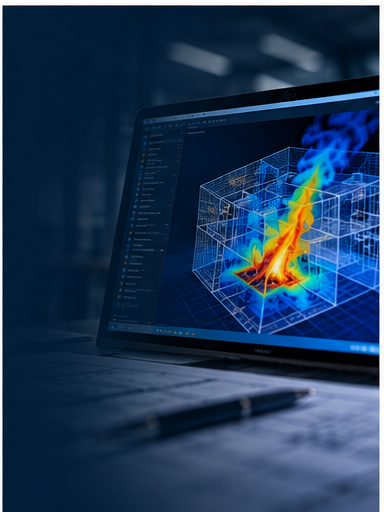
Engineering analysis used to understand fire growth, system response, smoke movement, tenability, risk, and performance-based alternatives.
TYPICAL DELIVERABLES
Expand a deliverable to see the type of support ETS can provide.
Facility or system-level FHAs addressing hazards, fire areas, protection features, scenarios, controls, consequences, fire department response, and programmatic elements.
Structured review of drawings, calculations, specifications, design bases, system interfaces, code compliance, and technical responses, with clear comments and closure support.
Professional engineering review and certification support for applicable fire protection design packages, calculations, and technical deliverables.
Hydraulic calculations, fire alarm battery and voltage-drop review, fire modeling, detector / sprinkler response, combustible loading, special-hazard calculations, and related analyses.
Fire protection inputs to DSA/PDSA documentation, safety evaluation reports, safety basis review activities, credited controls, TSR interfaces, and design-basis assumptions.
Formal assessments, findings, extent-of-condition evaluations, corrective-action support, technical memoranda, equivalencies, and decision-ready technical positions.
Fire protection training, qualification content, technical presentations, facility-specific instruction, and workforce-development materials.
CODES & STANDARDS
WHERE WE WORK
Enterprise safety engineering, fire protection, nuclear safety interfaces, design reviews, readiness, program assessments, and high-hazard mission support.
TECHNICAL LEADERSHIP
FIRE PROTECTION SUPPORT
ETS can support design review and certification, Fire Hazards Analyses, safety-basis integration, technical comment resolution, modeling, assessments, and specialized high-hazard fire protection.